22 European Kitchen Design Ideas That Feel Effortless, Cozy, and Collected
European kitchens have this quiet magic to them. They’re not trying to impress you—they’re inviting you in. They feel warm, practical, a little worn, and deeply loved. The kind of kitchen where bread is sliced straight on the counter, coffee is sipped slowly, and no one is in a rush to clear the table.
If you’ve ever scrolled past a French farmhouse kitchen or an Italian countryside space and thought, I want that feeling, these ideas are for you. Let’s build a kitchen that feels charming, soulful, and beautifully lived-in.
Save to Pinterest!
Affiliate links may be used in this post, and if so, I will receive a commission at no extra cost. I’m also part of the Amazon Affiliate (Associate) program, where I earn a commission from sales made through my affiliate links. Read the full disclosure policy.
More to read:
- Calm Bedroom Ideas for Anyone Craving a Slower, Softer Home
- Small Home Office Ideas That Actually Work
- Cozy Living Room Ideas (That Feel Like a Deep Breath)
- 20 Warm and Cozy Home Office Ideas for Everyday Work Life
European Kitchen Design Styles
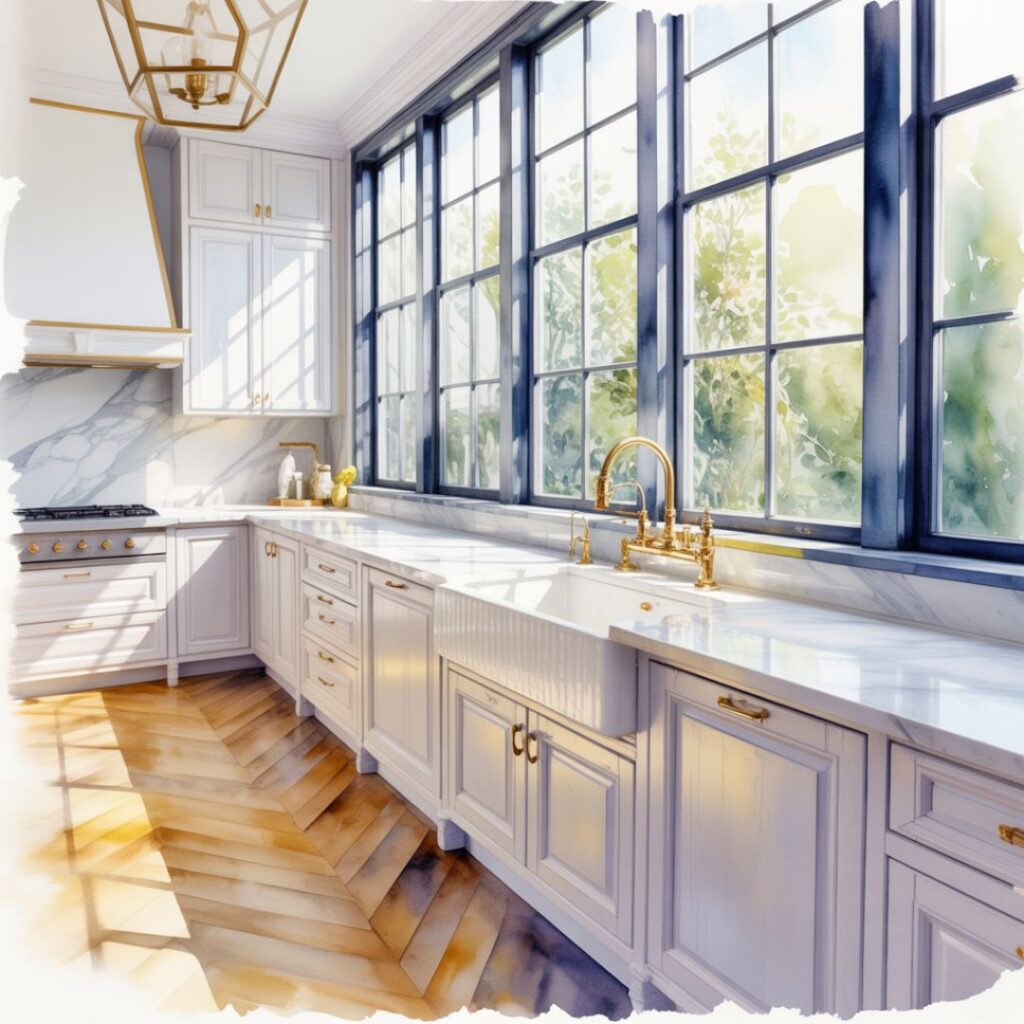
One of the most beautiful things about “European kitchen design” is that it isn’t just one look. It’s a whole family of styles, each shaped by its landscape, culture, and way of life. Every region brings its own flavor, but they all share that same heart: warmth, function, and a sense of time slowing down.
Here are some of the most beloved European kitchen styles—and what makes each one special.
French Provincial
This is the kitchen of sun-warmed stone cottages and lavender fields. French Provincial kitchens feel romantic, soft, and a little elegant without ever being stuffy.
You’ll often see:
- Creamy or pale gray cabinets
- Carved details and curved edges
- Farmhouse sinks
- Aged brass hardware
- Soft florals or subtle patterns
It’s the kind of kitchen that feels like fresh bread should always be nearby. Feminine, gentle, and timeless, it’s perfect if you love charm with a touch of grace.
Italian Farmhouse
Italian kitchens feel earthy and soulful. They’re rooted in family, food, and tradition. This style is all about warmth and hospitality.
Look for:
- Rich woods and stone
- Terra-cotta floors
- Open shelving with everyday dishes
- Big tables instead of sleek islands
- Warm, golden light
An Italian-style kitchen feels like it was built for long meals, loud laughter, and generations gathered around one table.
English Country
Cozy, layered, and delightfully homey, English country kitchens feel like a hug. They’re full of personality and quiet charm.
Common elements include:
- Painted cabinets in soft greens, blues, or creams
- Butcher block counters
- Patterned tiles
- Vintage accessories
- A mix of textures and finishes
These kitchens feel collected, not curated. Nothing matches perfectly—and that’s exactly the point.
Scandinavian
Scandinavian kitchens are the lightest and most minimal of the bunch, but still cozy. They focus on simplicity, function, and natural beauty.
You’ll often see:
- Pale woods
- White or light gray cabinetry
- Clean lines
- Minimal clutter
- Soft, warm lighting
It’s a style that feels calm and breathable, perfect if you love European charm but crave a lighter, airier feel.
Spanish & Mediterranean
These kitchens are bold, warm, and full of soul. They feel sun-soaked and expressive.
Think About Ideas Like:
- Patterned tiles
- Arched doorways
- Warm wood
- Hand-painted ceramics
- Earthy tones
They’re full of color and life, designed for cooking from scratch and savoring every meal.
Belgian / Dutch Farmhouse
These kitchens feel calm, earthy, and quietly luxurious. They’re neutral without being boring.
What You’ll notice:
- Soft taupes, greiges, and warm whites
- Natural stone and raw wood
- Simple, chunky cabinetry
- A very grounded, serene feel
They’re perfect if you love a neutral palette but still want warmth and depth.
German & Alpine
This style leans practical and sturdy, often inspired by mountain homes and countryside cottages.
Think About Things Like:
- Solid wood cabinets
- Built-in benches or breakfast nooks
- Tiled stoves or hearth-like features
- A strong sense of craftsmanship
It feels rooted, dependable, and built to last for generations.
Greek & Coastal European
Bright, breezy, and sun-washed, these kitchens feel like summer.
Common elements:
- White plaster walls
- Blue accents
- Simple open shelving
- Natural textures like stone and wood
They’re light, relaxed, and perfect for someone who loves an airy, coastal mood.
Parisian Apartment
This is the urban cousin to French Provincial—more refined, more compact, and effortlessly chic.
You’ll often see:
- Slim cabinetry
- Marble counters
- Brass details
- A mix of classic and modern
It’s ideal for smaller spaces that still want that European elegance.
Eastern European Rustic
Inspired by villages in places like Poland, Romania, and the Balkans, these kitchens feel deeply handmade and folk-inspired.
Look for:
- Hand-carved wood
- Painted furniture
- Hearty, practical layouts
- A strong sense of tradition
They’re warm, story-rich, and full of heritage.
European Kitchen Ideas
Let’s lean into the ideas even more!
01. Embrace Natural Materials
European kitchens lean heavily into wood, stone, clay, and metal. These materials ground the space and make it feel connected to the earth. Think butcher block counters, wooden beams, stone floors, or a chunky oak table.
What makes this style special is that these materials are allowed to age. Scratches, wear, and patina aren’t flaws—they’re part of the story. The kitchen becomes richer over time, not something you’re constantly trying to keep “perfect.”
02. Choose Soft, Lived-In Colors
Instead of stark white or trendy shades, European kitchens favor colors that feel gentle and timeless. Warm creams, soft taupes, dusty blues, sage greens, and muted grays create a calming base.
These tones reflect light beautifully and make the room feel peaceful. They’re easy to live with and never feel dated, which is exactly why European kitchens age so gracefully.
03. Skip the Shiny, Go for Matte
High-gloss cabinets and slick finishes can feel cold. European kitchens tend to lean matte—painted cabinets, honed stone, brushed metals.
Matte finishes absorb light in a softer way, making the space feel cozy instead of clinical. They’re also more forgiving, hiding fingerprints and wear so your kitchen always feels relaxed and welcoming.
04. Let Things Be a Little Imperfect
A slightly crooked tile. A cabinet door that doesn’t line up perfectly. A handmade mug with uneven edges. This is the heart of European charm.
Perfection can feel sterile. Imperfection feels human. It reminds you that this is a space for living, not performing.
05. Add Open Shelving
Open shelves are everywhere in European kitchens. They make the space feel airy and approachable, and they turn everyday dishes into decor.
Stack your plates, line up mugs, display bowls you actually use. It’s practical and beautiful—like the kitchen is always ready for company.
06. Use Handmade or Vintage Tiles
Backsplashes are a place to add personality. Zellige tiles, hand-painted ceramics, or vintage-inspired patterns bring depth and character.
They often have subtle variations in color and texture, which keeps the space from feeling flat. Each tile feels like it has a story.
07. Bring in a Farmhouse Sink
Deep, sturdy, and endlessly charming, a farmhouse sink feels straight out of a French countryside home. It’s practical for big pots and baking messes—and it looks beautiful doing it.
It instantly signals that this kitchen is meant to be used, not just admired.
08. Mix Old and New
European kitchens don’t look like they were installed in one afternoon. They feel collected. Pair modern appliances with a vintage stool, antique cabinet, or weathered table.
This contrast gives the room depth and personality, like it’s evolved over time instead of being staged all at once.
09. Keep Upper Cabinets Light
Many European kitchens minimize heavy uppers or replace them with open shelving. This keeps the room feeling open and breathable.
If you do use upper cabinets, paint them in a light tone so they don’t visually crowd the space.
10. Add a Wooden Work Table
Instead of a giant island, consider a simple wooden table in the center. It feels more intimate and flexible.
It becomes a place for kneading dough, sorting groceries, or sipping coffee while someone else cooks. It invites life into the middle of the room.
11. Use Brass or Aged Hardware
Warm metals like brass, bronze, and antique iron add instant charm. They feel collected rather than store-bought.
Over time, they develop a patina that only makes them more beautiful.
12. Let the Light In
European kitchens treasure daylight. Keep windows clear or use simple linen curtains that let the sun pour in.
Natural light makes everything feel alive—plants thrive, surfaces glow, and the kitchen feels like a place you want to linger.
13. Display Your Everyday Tools
Hang copper pans. Add a rail of wooden spoons. Lean cutting boards against the backsplash.
When practical tools become decor, the kitchen feels authentic and ready for real cooking.
14. Choose Smaller-Scale Appliances
European kitchens often favor compact appliances. Even in larger spaces, this keeps things feeling human-sized and cozy.
It reminds you that the kitchen is about meals and moments, not machinery.
15. Add Texture Everywhere
Linen tea towels, woven baskets, ceramic jars, wood bowls—texture is what makes a kitchen feel warm.
These layers soften the room and make it feel lived-in instead of showroom-perfect.
16. Go for Simple Cabinet Styles
Shaker or flat-front cabinets in soft colors are timeless. They don’t scream a decade or trend.
They quietly support the rest of the room, letting texture and materials shine.
17. Use Stone or Brick Flooring
Tile, stone, or brick floors bring instant old-world charm. They’re durable, practical, and full of character.
They also anchor the room, making it feel grounded and substantial.
18. Create a Coffee or Tea Nook
A small corner with mugs, a kettle, and your favorite blends feels wonderfully European.
It becomes a daily ritual spot—a place to pause, even for a minute.
19. Add Greenery
Potted herbs, wildflowers, or a simple branch bring life to the space.
They soften hard surfaces and remind you that this kitchen is part of a living home.
20. Keep It Uncluttered (But Not Empty)
European kitchens are practical. Everything has a purpose. Keep what you use, remove what you don’t.
Let the items you love be visible. That’s where the charm lives.
21. Choose Warm Lighting
Soft, golden lighting makes evenings feel magical. Pendants over the table, sconces near the sink, or under-cabinet glow all help the kitchen feel inviting.
This is the kind of light that makes people stay longer.
22. Design for Real Life
Above all, European kitchens are meant to be lived in. They’re for cooking, talking, laughing, and lingering.
Design for your real days—messy mornings, cozy evenings, and everything in between. That’s where the beauty truly is.
Final Tip for that European Kitchen!
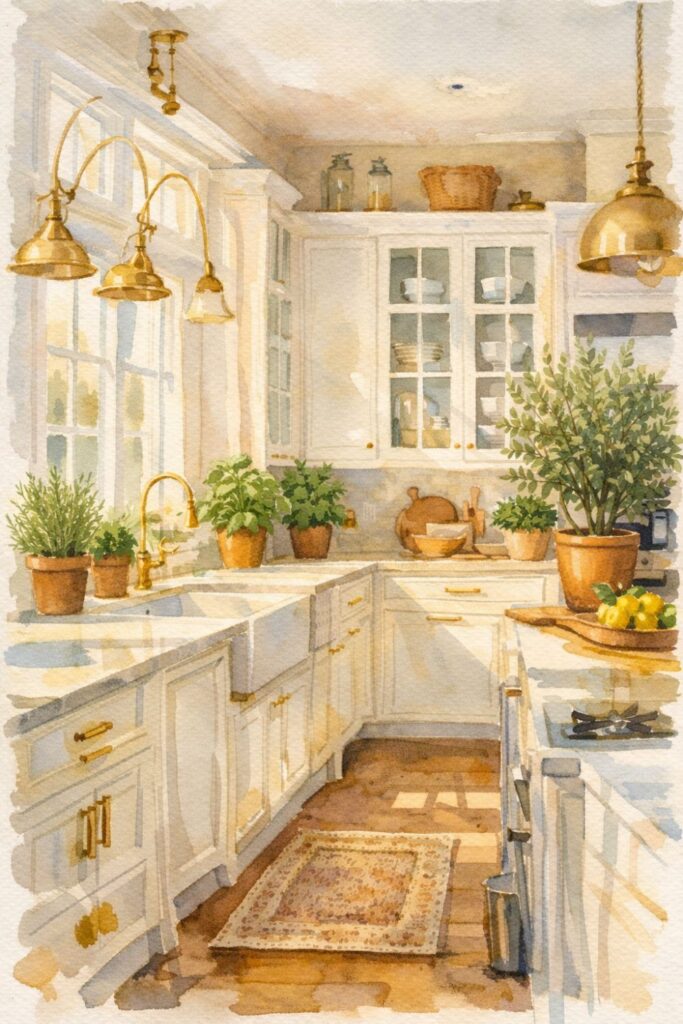
A European kitchen isn’t about copying a photo or chasing a trend. It’s about creating a space that feels warm, human, and deeply yours. It’s a room that welcomes crumbs on the counter and fingerprints on the fridge. A place where soup simmers while someone tells a story, where a candle gets lit just because it’s evening, where breakfast stretches into mid-morning on a slow weekend.
It’s not a kitchen that demands perfection—it offers permission. Permission to cook imperfect meals, to leave the dishes soaking a little longer, to linger at the table with one more cup of coffee. It’s the kind of space that supports real life: busy mornings, cozy evenings, spontaneous baking, quiet conversations.
When you design with that spirit in mind, your kitchen becomes more than a functional room. It becomes the heart of your home. A place that feels steady, comforting, and alive. And that, more than any tile or cabinet style, is the true beauty of European kitchen design.