How I *Finally* Organized My Kitchen Cabinets (and Kept Them That Way)(And You Can Too!)
If you’ve ever opened a kitchen cabinet only to have a plastic lid avalanche come crashing down on you, you’re in very good company. For the longest time, my kitchen cabinets were the definition of chaos behind closed doors. They looked fine from the outside, but inside? It was a mix of mismatched containers, half-used gadgets, and things I forgot I even owned. (Who can relate?!)
Organizing my kitchen cabinets wasn’t something I tackled in one magical afternoon. It was a slow, realistic process—one cabinet at a time—and honestly, that’s what made it stick. I didn’t aim for perfection. I aimed for function, ease, and a kitchen that felt calm instead of stressful.
I got so sick and tired of hunting for an item I knew I had but couldn’t find. I was tired of hearing, “Mom, where is suck and such!” So, I started doing something about it. If you’re anything like me, you’re desperate for more organization but maybe overwhelmed with where to start – this article will help just that!
If you’re ready to finally get your kitchen cabinets under control (without buying a million bins or turning your life upside down), this is exactly how I did it—and how you can too.
Affiliate links may be used in this post, and if so, I will receive a commission at no extra cost. I’m also part of the Amazon Affiliate (Associate) program, where I earn a commission from sales made through my affiliate links. Read the full disclosure policy.
Why Kitchen Cabinet Organization Matters More Than You Think
Before I even touched a single cabinet, I had to shift my mindset. Organizing my kitchen cabinets wasn’t just about aesthetics—it was about making daily life easier.
When cabinets are organized:
- I waste less food because I can actually see what I have
- Cooking feels less overwhelming
- Cleaning up is faster
- I’m not rebuying duplicates of things I already own
An organized kitchen sets the tone for the entire home. It’s one of those small changes that quietly improve everything else.
Step One: I Emptied Everything (Yes, Everything)
I’ll be honest—this was the part I wanted to skip. Emptying every cabinet felt dramatic, but it turned out to be absolutely necessary.
I took everything out and placed it on the counter or dining table.
This gave me a clear picture of:
- How much I actually owned
- What I used regularly
- What I was holding onto “just in case”
Seeing it all laid out was eye-opening. It’s amazing how much stuff hides behind cabinet doors.
Step Two: I Decluttered Ruthlessly (But Gently)
Decluttering is the heart of organizing kitchen cabinets.
I asked myself a few simple questions as I sorted:
- Have I used this in the last year?
- Do I own multiples of this for no reason?
- Is this broken, chipped, or missing parts?
- Does this still fit how I cook now?
I donated duplicate dishes, tossed warped plastic containers, and let go of gadgets I never reached for. I reminded myself that keeping things I don’t use only makes the kitchen harder to live in.
This step alone made the biggest difference.
Step Three: I Grouped Everything by Category
Before anything went back into the cabinets, I grouped items by category. This made it much easier to decide where things should live.
Here are the categories I used:
- Everyday dishes
- Glassware and mugs
- Food storage containers
- Baking supplies
- Cooking tools and gadgets
- Pantry staples
- Small appliances
Grouping things showed me what deserved prime cabinet space—and what didn’t.
Step Four: I Assigned Cabinets Based on How I Use My Kitchen
This is where the organization became personal. Instead of organizing how I thought a kitchen should work, I organized based on how I actually cook.
I asked myself:
- What do I reach for daily?
- What do I use weekly?
- What’s only used occasionally?
Everyday items went at eye level and within easy reach. Less-used items moved higher or lower. This simple shift made my kitchen feel instantly more functional.
How I Organized My Upper Kitchen Cabinets
Upper cabinets can be tricky, especially if they’re deep or hard to reach. Here’s what worked for me.
Everyday Dishes Front and Center
I stored plates, bowls, and glasses in the cabinets closest to the dishwasher. This made unloading faster and less annoying.
Shelf Risers Changed Everything
Adding shelf risers doubled my storage space for plates and mugs. Suddenly I wasn’t stacking everything into unstable towers.
Mugs on Hooks or in Rows
Instead of piling mugs, I lined them up neatly or hung them on under-shelf hooks. This saved space and made mornings feel calmer.
How I Organized Lower Kitchen Cabinets
Lower cabinets tend to become black holes, so I focused heavily on accessibility.
Pull-Out Bins Are a Game Changer
I used bins for:
- Pots and lids
- Mixing bowls
- Food storage containers
Being able to pull everything out instead of digging made a huge difference.
Lids Got Their Own System
Container lids were the bane of my existence. I finally stored them vertically in a file organizer, and I wish I’d done it years ago.
Heavier Items Down Low
Cast iron pans, small appliances, and bulk items lived in lower cabinets where lifting was easier.
How I Organized Food Storage Containers (Without Losing My Mind)
This area used to be my biggest frustration. What finally worked was:
- Keeping only containers with matching lids
- Storing containers nested by size
- Storing lids vertically instead of stacked
I also limited myself to one cabinet. If it didn’t fit there, it didn’t stay.
How I Organized My Baking Cabinets
Baking supplies tend to sprawl if you’re not careful. I grouped everything together:
- Mixing bowls
- Measuring cups and spoons
- Baking pans
- Spices and extracts
Clear bins helped me quickly see what I had, and I labeled everything so it stayed that way.
How I Organized My Pantry Cabinets
Even if you don’t have a walk-in pantry, pantry cabinets can be beautifully functional.
Clear Containers Make a Huge Difference
I transferred staples like flour, sugar, rice, and pasta into clear containers. This helped me:
- See when I was running low
- Keep things fresher
- Make shelves look less cluttered
Snacks Got Their Own Zone
I created a snack cabinet with bins for different types of snacks. This made it easy for everyone to grab what they wanted without rummaging.
The Truth About Labels (Yes, I Use Them)
I used to think labels were extra. Now I swear by them.
Labels:
- Help everyone put things back correctly
- Keep systems from falling apart
- Make cabinets feel intentional
They don’t have to be fancy. Even simple handwritten labels work.
How I Organized Awkward Corner Cabinets
Corner cabinets used to drive me nuts until I embraced solutions that worked with the space.
- Lazy Susans for spices and oils
- Turntables for canned goods
- Grouping similar items together
No more forgotten items shoved into dark corners.
How I Organized Small Kitchen Cabinets
If your kitchen is small, organization matters even more.
What helped me most:
- Vertical storage
- Stackable bins
- Door-mounted organizers
I focused on maximizing every inch without overcrowding.
How I Made My Kitchen Cabinet Organization Last
This part is key—because organizing once isn’t enough.
Here’s how I maintain it:
- I do a quick reset once a week
- I declutter every few months
- I follow a “one in, one out” rule
If something stops working, I adjust instead of forcing it.
Common Kitchen Cabinet Organization Mistakes I Avoid Now
Looking back, here’s what I don’t do anymore:
- Overbuy containers before decluttering
- Store things where they don’t make sense
- Keep items “just in case”
- Ignore vertical space
Learning from these mistakes saved me so much frustration.
My Best Advice If You’re Feeling Overwhelmed
If organizing your kitchen cabinets feels like too much, here’s my honest advice: start small.
One cabinet.
One shelf.
One category.
Progress adds up faster than you think, and every small win builds momentum.
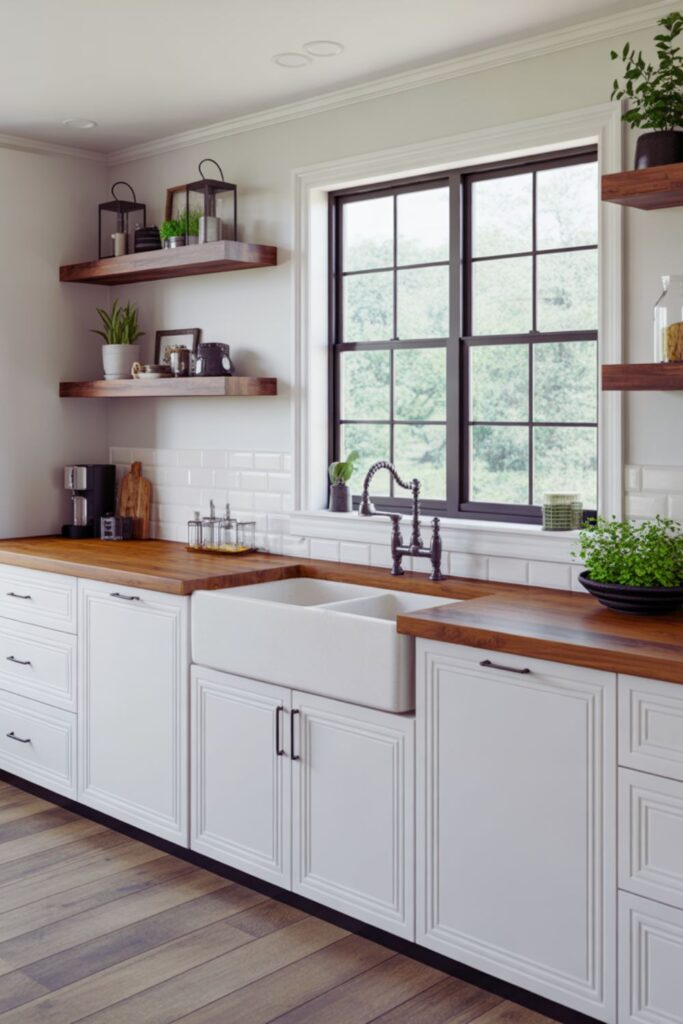
Final Thoughts: Organized Cabinets Changed How I Feel in My Kitchen
Organizing my kitchen cabinets didn’t just give me prettier shelves—it gave me peace of mind. Cooking feels easier. Cleaning feels quicker. And my kitchen finally feels like it supports me instead of working against me.
You don’t need a picture-perfect kitchen or expensive organizers. You just need systems that fit your life.
Take it one cabinet at a time. You’ve got this.